


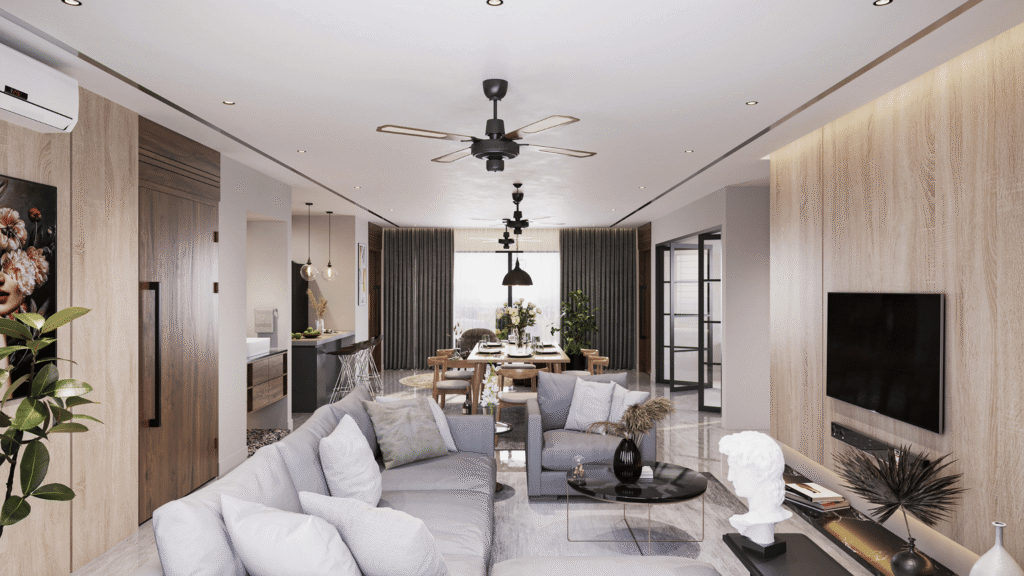
Introduction
In a warm climate like Thailand—or anywhere facing rising temperatures—keeping your home cool and comfortable is more important than ever. But beating the heat doesn’t have to mean cranking up the air conditioning. In fact, the way you style and decorate your home can significantly influence how naturally cool and inviting your space feels.
By choosing the right colors, materials, layouts, and ventilation techniques, you can transform your living environment into a refreshing retreat. This article will guide you through practical, stylish, and eco-friendly tips to help you create a home that’s both beautiful and breezy, even on the hottest days.
1. Choose a Light and Airy Color Palette
The first step toward a naturally cool home begins with your color scheme. Light colors reflect sunlight, while darker tones absorb heat.
🎨 Recommended Colors:
- Whites and off-whites
- Soft pastels (mint green, sky blue, lavender)
- Beige, sand, or light greys
Use these shades on walls, ceilings, curtains, and large furniture pieces to brighten the space and reduce heat retention. A pale base also creates a sense of openness and mental calm.
2. Opt for Breathable, Natural Materials
When it comes to both comfort and thermal performance, materials matter. Certain fabrics and finishes breathe better, absorb less heat, and offer a cooler tactile feel.
🛋️ Ideal Materials for Furniture and Décor:
- Cotton and linen fabrics for curtains, sofas, and cushions
- Rattan and bamboo for chairs, baskets, and light fixtures
- Wood with a matte finish for furniture
- Ceramic or terracotta over plastic for plant pots and surfaces
These materials not only look relaxed and natural but also contribute to better airflow and humidity regulation inside your home.
3. Maximize Natural Ventilation and Airflow
Comfort isn’t just about temperature—air movement plays a huge role in making a room feel fresher. Layout, window placement, and ventilation can help maximize breeze flow.
🪟 How to Improve Natural Air Circulation:
- Cross-ventilation: Arrange furniture and open windows on opposite sides to let air pass through
- Install ceiling or wall fans to circulate air more efficiently
- Avoid blocking air pathways with bulky furniture near doors and windows
- Use slatted panels or louvered shutters to control airflow without sacrificing privacy
If possible, keep doors between rooms open during the day to help hot air escape.
4. Use Curtains and Blinds Strategically
Direct sunlight can heat up a room fast. The right window coverings can block out heat while still letting in soft light, keeping your space bright and cool.
🪟 Best Options for Hot Weather:
- Sheer curtains to diffuse sunlight without full blockage
- Thermal or blackout curtains in west-facing rooms to keep out harsh afternoon sun
- Natural fiber blinds (bamboo, jute) for a tropical, cooling aesthetic
Bonus tip: Double curtain layers (sheer + thick) give you flexibility throughout the day.
5. Reduce Indoor Heat Sources
Appliances and artificial lighting can raise indoor temperatures, often without you realizing it.
🔌 Tips to Minimize Heat Build-Up:
- Switch to LED lightbulbs, which produce less heat than incandescent ones
- Place electronics away from walls to allow heat dissipation
- Avoid using the oven or stove during peak hot hours
- Unplug idle devices to prevent passive heat generation
Smart home systems or timers can also help you control lighting and appliance usage more efficiently.
6. Incorporate Houseplants for Cooling and Humidity Control
Plants do more than add aesthetic appeal—they also purify the air, reduce stress, and even contribute to slight cooling through transpiration.
🌿 Best Cooling Indoor Plants:
- Areca Palm
- Snake Plant
- Fiddle Leaf Fig
- Peace Lily
- Aloe Vera
Arrange plants near windows, corners, or use vertical plant walls to add a lush, cooling effect while saving space.
7. Choose Lightweight and Seasonal Fabrics
Heavy fabrics like velvet or thick wool can trap heat and make rooms feel stuffy. In hot months, switch to lightweight and breathable fabrics in all your soft furnishings.
🛏️ Cool Textile Ideas:
- Linen or bamboo bed sheets
- Cotton slipcovers for sofas
- Thin summer throws instead of thick blankets
These materials wick moisture and allow airflow, helping your body stay cooler while relaxing or sleeping.
8. Go Minimal for a Cooler Feel
Clutter not only looks messy but can also trap dust and restrict airflow. A minimalist approach to home styling creates a more breathable and comfortable atmosphere.
🧹 Minimal Styling Tips:
- Keep surfaces clear and organized
- Use multi-functional furniture to save space
- Display fewer but larger décor pieces for visual impact without crowding
- Store seasonal items out of sight when not in use
Less clutter also means easier cleaning, which helps maintain a fresh indoor environment.
9. Integrate Cool Flooring Options
Flooring can have a significant impact on temperature regulation. Materials like carpet can trap heat, whereas hard surfaces stay cooler underfoot.
🏠 Best Cool Flooring Choices:
- Tile or ceramic floors
- Polished concrete
- Natural stone (like marble or granite)
Add light-colored area rugs if needed, but avoid plush or dark options that trap warmth.
Conclusion
A naturally cool and comfortable home isn’t just about aesthetics—it’s about functionality, sustainability, and well-being. By making a few thoughtful choices in your interior design, you can significantly reduce heat retention, boost ventilation, and create a living space that truly supports relaxation and health.
Whether you’re renovating a whole room or just tweaking a few elements, focus on:
- Light colors
- Natural materials
- Airflow
- Plant life
- Minimalism
These timeless techniques can transform your home into a cool, cozy sanctuary—no matter the weather outside.